Timber Frame Design-Build Process
Our Process
Timber frame projects succeed when the process is disciplined. Here's how we manage every phase from initial consultation through project closeout.
This process applies to timber frame homes, barns, and pavilions built through our partnership with Mid-Atlantic Timber Frame. For general construction projects, see our general construction process.
What happens first?
We confirm feasibility: goals, budget range, schedule, site constraints, and permitting realities.
Before any design work begins, we need to understand if your project is viable within your parameters. This isn't a sales meeting—it's a technical assessment to ensure we're aligned on scope, budget, and timeline before either party invests further.
Feasibility & Direction
This phase establishes whether your timber frame project can be built within your budget, on your site, and within your timeline. We identify deal-breakers early—before you've spent money on design.
What you'll know after Phase 1:
- • Whether your budget aligns with your vision
- • Site constraints that affect design or cost
- • Permitting requirements and timeline
- • Recommended structure type and approach
- • Rough project schedule
Design-build vs. traditional approach:
Traditional:
Architect designs → Bid to contractors → Hope it's buildable within budget
Design-Build:
Budget-informed design → Coordinated engineering → No surprises at bid time
Design & Engineering Coordination
This is where design-build pays dividends. We coordinate architect, structural engineer, and timber frame engineer so the design is buildable, affordable, and resolved before permit submission.
Permitting & Preconstruction
Permits take time—especially in rural Virginia counties. We use this period productively: ordering long-lead materials, finalizing trade contracts, and sequencing the work so construction starts efficiently.
Typical permit timelines:
- • Loudoun County: 6-10 weeks
- • Fauquier County: 4-8 weeks
- • Clarke County: 4-6 weeks
- • Albemarle County: 6-10 weeks
Timelines vary based on project complexity and county workload.
Quality checkpoints:
- • Foundation inspection before frame delivery
- • Frame raising supervision and documentation
- • Enclosure quality review
- • MEP rough-in verification
- • Finish quality inspections
Build Execution
Construction is where coordination matters most. We manage weekly scheduling, enforce quality standards, and control changes so the project stays on track. You receive regular updates without needing to manage trades yourself.
Closeout
A proper closeout ensures you can maintain and enjoy your timber frame structure for decades. We don't disappear after the last payment—we deliver documentation and stand behind our work.
What you receive at closeout:
- • Complete as-built drawings
- • Product warranties and specifications
- • Maintenance recommendations for timber frame
- • Trade contact information
- • Certificate of occupancy
Why does process matter for timber frame?
Timber frame construction involves more coordination than conventional building. A fragmented approach creates gaps where problems hide.
The Fragmented Approach
Most timber frame projects fail or stall because responsibilities are scattered:
The Design-Build Advantage
Hearthstone eliminates fragmentation with integrated execution:
What mistakes should I avoid?
These are the most common mistakes we see in timber frame projects—and why they're costly.
Result: Designs that can't be built within budget or timeline
Result: Nobody to manage foundation, enclosure, or finishes
Result: Coordination failures that cause delays and cost overruns
Result: Field changes, rework, and budget blowouts
Traditional Craftsmanship, Modern Execution
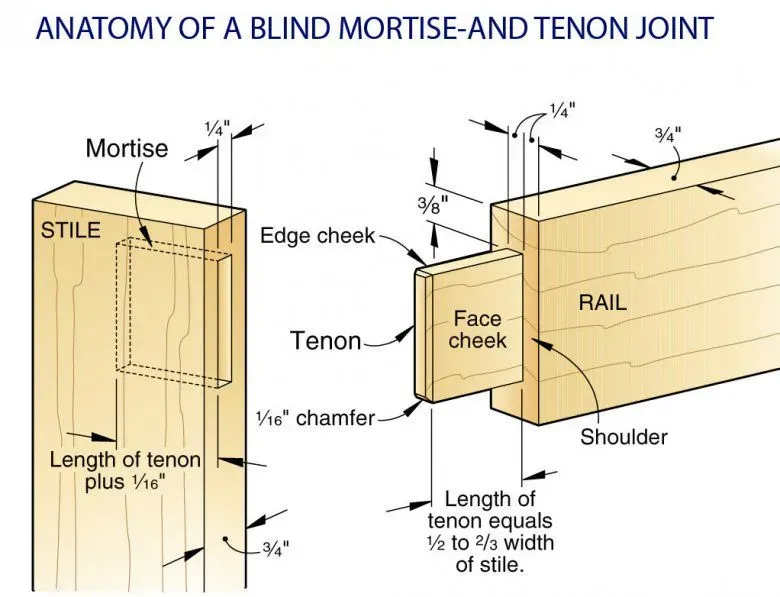
Our partnership with Mid-Atlantic Timber Frame brings together traditional mortise-and-tenon joinery with modern project management. Every joint is precision-cut and secured with wooden pegs—the same techniques that have proven their strength for centuries.
This is structural craftsmanship backed by engineering, coordination, and accountability. The result: timber frame structures that perform and endure.
Regional Expertise
Counties We Serve
Hearthstone Design Build specializes in timber frame and estate construction throughout Virginia's premier rural building markets.
For landowners planning thoughtful, long-term timber frame projects.
For landowners planning thoughtful, long-term timber frame projects.